
Why Strategic Communication Belongs In Every Grant Budget
This social impact story is about Green Nudge, a Resident Partner of Common Ground Civic Centre.
March 2026
Many of us think of impact work as the work itself. The projects we are engaged for, the services we deliver, the interventions we design, the people we serve, the change we create. But without the key component of strategic communication, even the most meaningful work remains invisible.
Strategic communication in impact work is the deliberate use of narrative, evidence and audience selection to shape how stakeholders understand, value and respond to the work — in ways that advance mission and sustain the conditions for impact.
Yet, in practice, impact communication is often reduced to one of two things: an afterthought or an obligation. Practitioners are usually constrained by limited resources, pulled by the demands for accountability — or both at the same time.
For many, the reality is both.
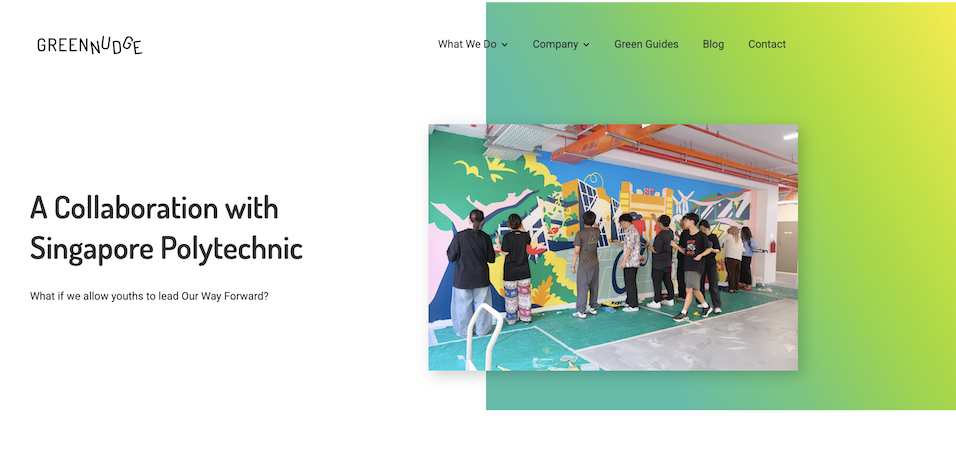
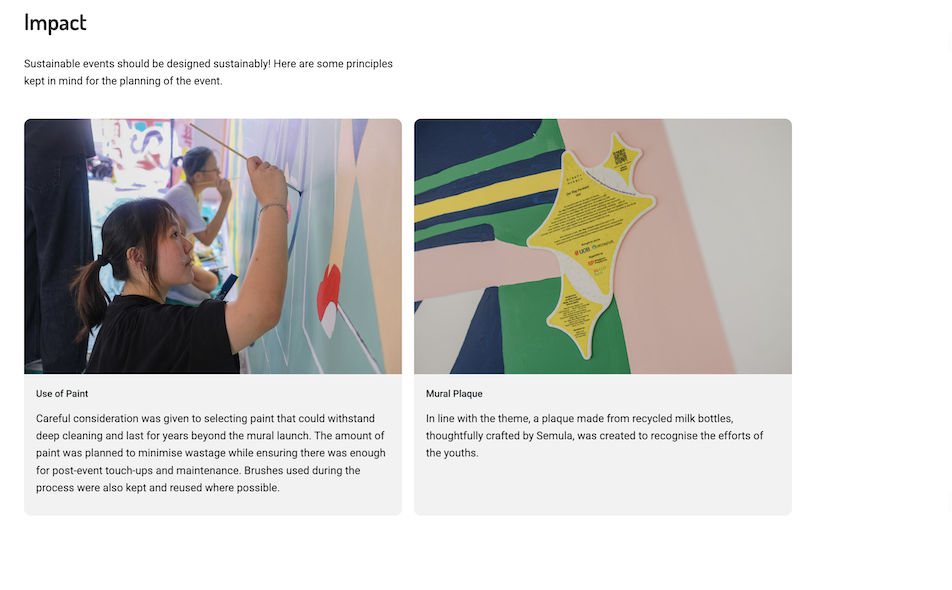
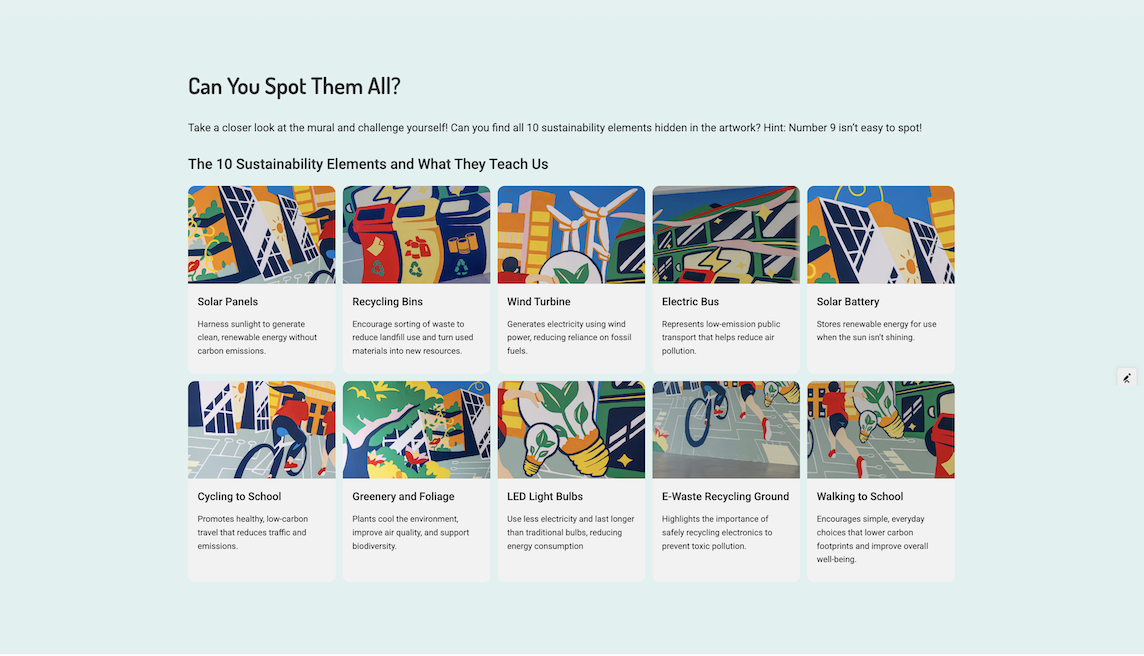
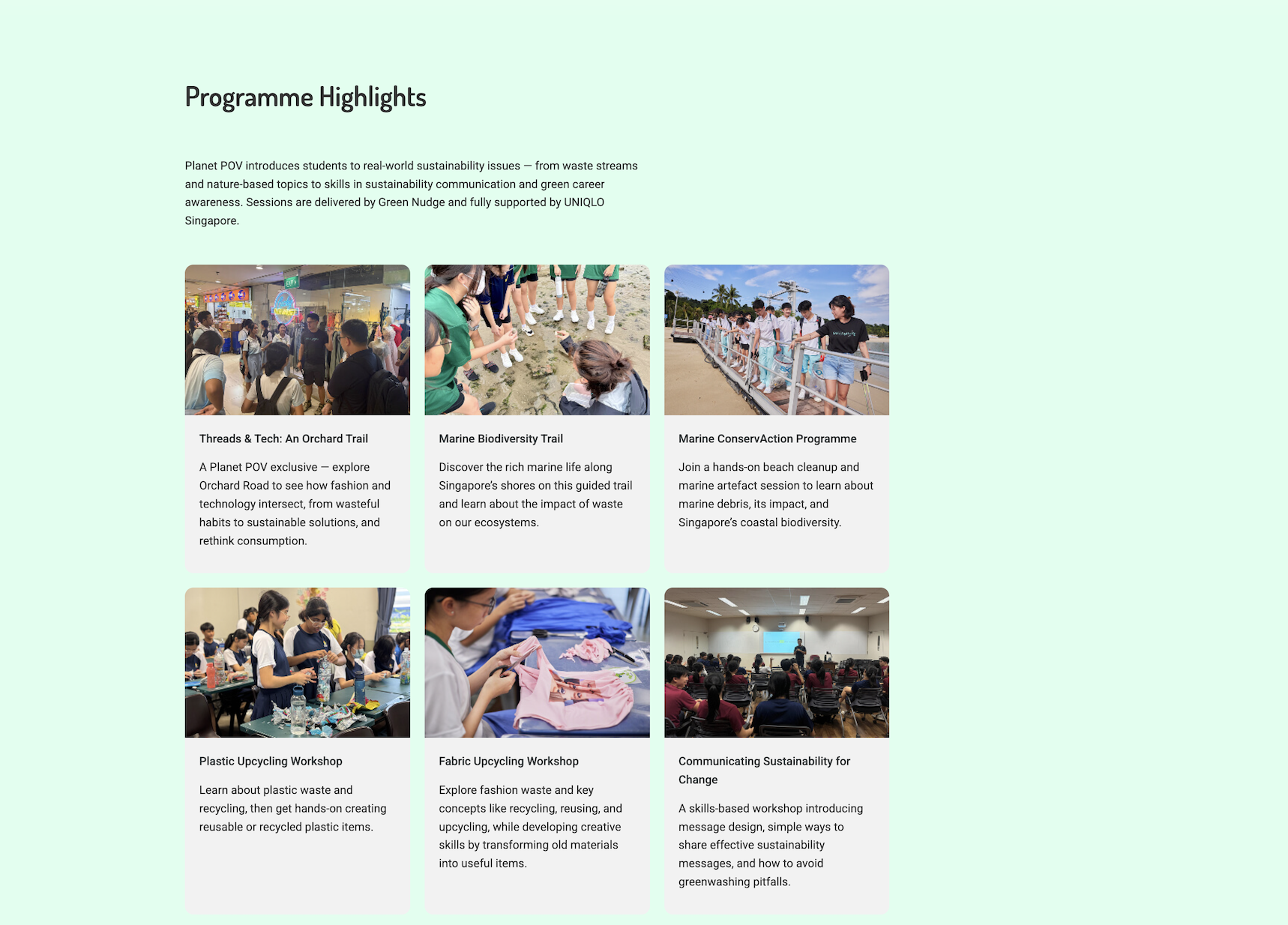
Extracts of micro-sites to document and communicate the impact of Green Nudge’s projects and collaborations.
Ultimately, the deprioritisation of strategic communication of one’s good work is a symptom of how the larger sector is structured. But what is a gap for some, is an opportunity for Green Nudge to do things differently.
To treat communication not as a nice-to-have, but as a core part of their impact work.
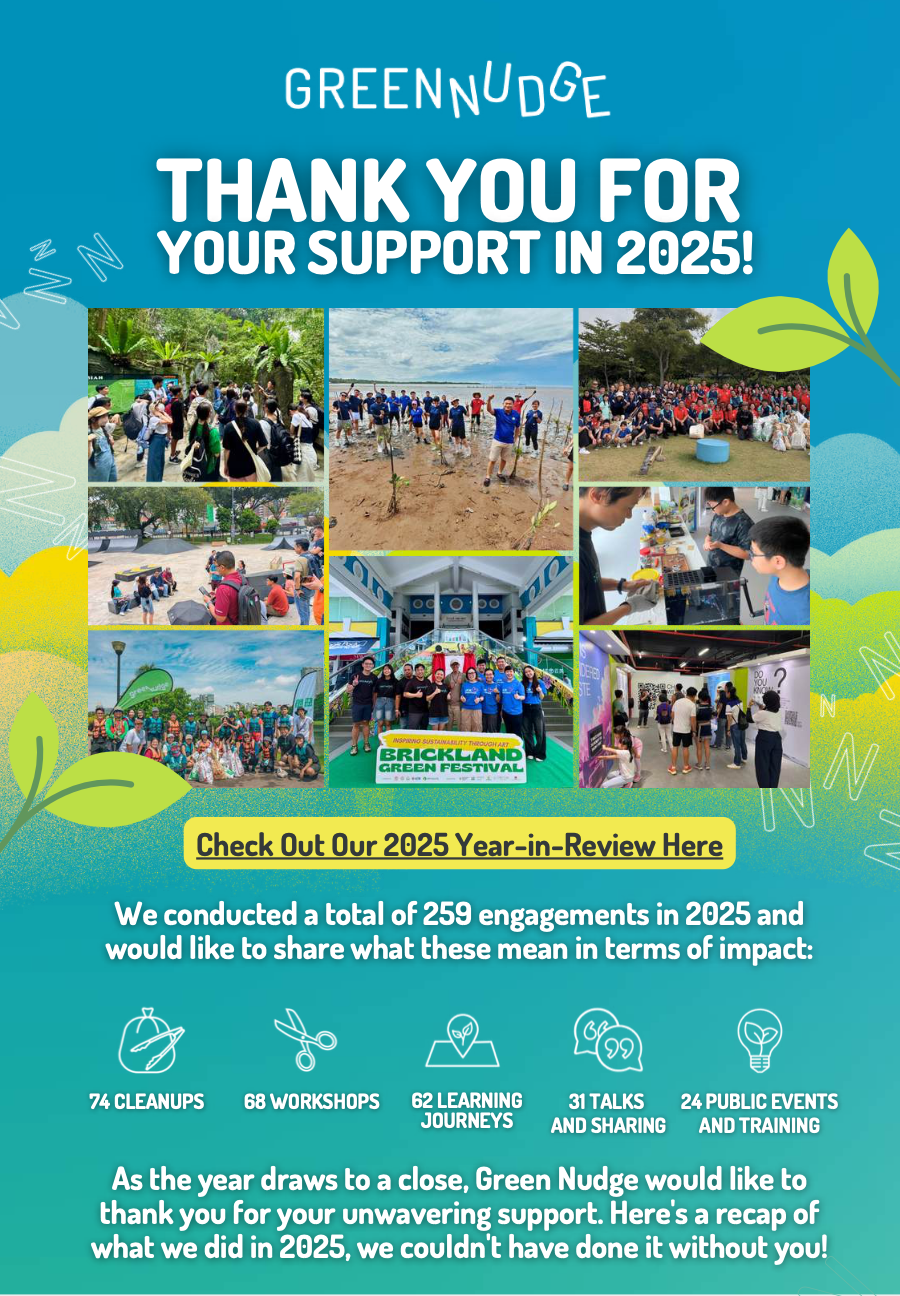
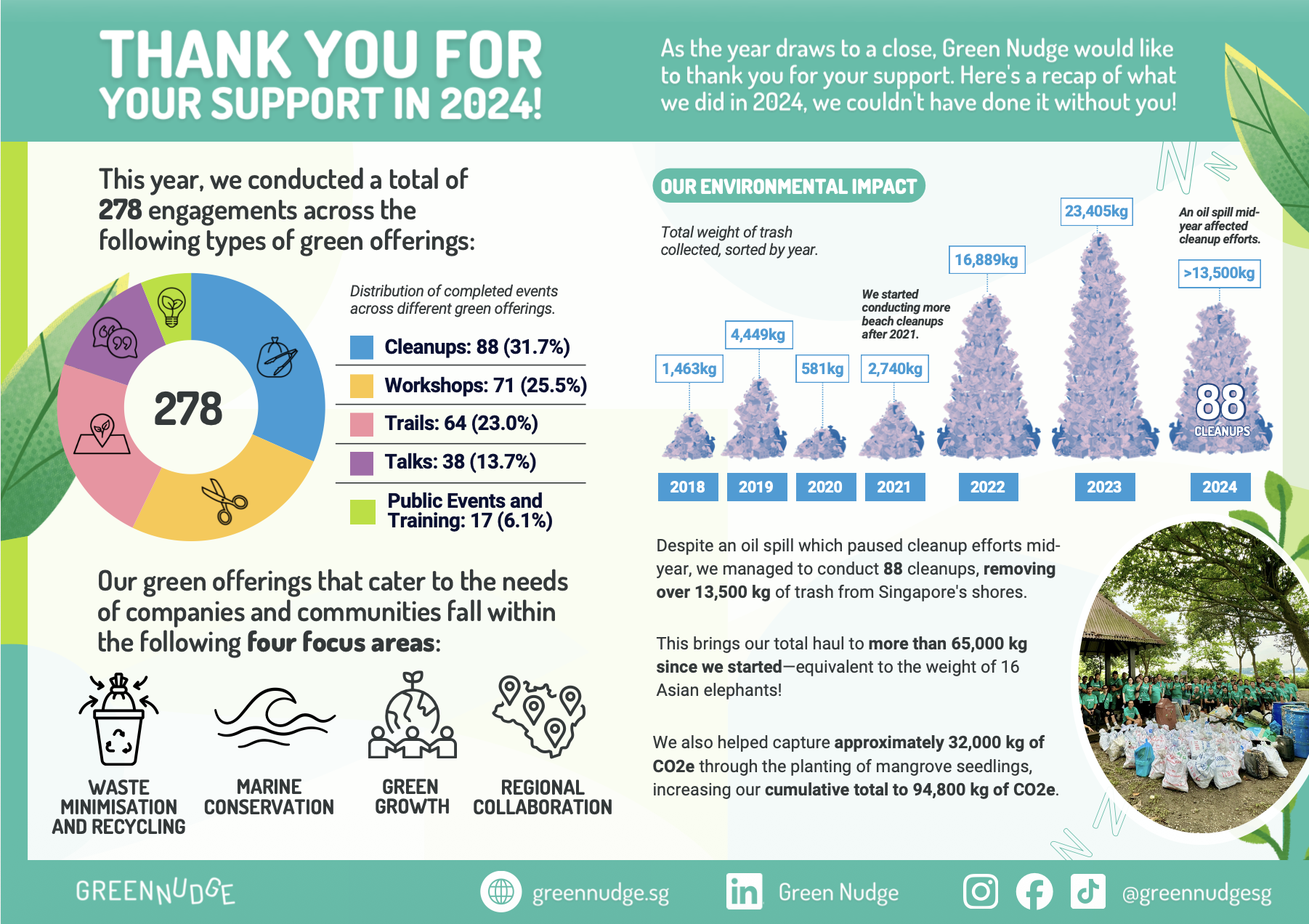
Every December, Green Nudge releases an End of Year Impact Summary Report that tells the story of what success looked like for the organisation over the past year, and how partners can collaborate with them in the year ahead.
With strategic direction led by Founder, Heng Li Seng and communication direction led by Brand and Communications Lead, Charmayne Lee, the report brings together an intentional mix of quantitative and qualitative data shared across clients, collaborators, funders and the wider community.
on the nature of reports“A really honest assessment – if a report is too long, nobody will read it. I think at some point I just wondered, is this (usual format of reporting) really serving anybody?”
– HENG LI SENG, FOUNDER
What started out as a way to engage business leads has now grown into a strategic full-stack communications practice.
The full impact summary report serves long-time partners already invested in Green Nudge's work and wanting to go deeper.
A condensed version serves newer partners who may be curious but not yet fully bought in.
And across social media, Green Nudge shares their work, learning, and insights in real time to keep the work visible to a wider community beyond their immediate circle.
“Sharing our work consistently has helped position Green Nudge as a trusted, grounded voice in community-centred sustainability, making our work more visible and reducing the need to start from scratch in conversations.
By showcasing different intersections in our work, people can see our capacity and often reach out to explore similar ideas, leading to meaningful collaborations where overlaps naturally emerge.
At the same time, this visibility allows us to better structure and value our offerings — integrating content deliverables into projects, exploring merchandise, and conducting intentional audits to refine how we communicate and engage.”
– Charmayne Lee, Brand and Communications LeadEach component serves a distinct purpose. The practice is not compliance-driven. It’s not an attempt to 'prove' the legitimacy of the work.
It is relational and strategic, designed to shape how partners understand what impact looks like for Green Nudge and how partners might choose to get more involved.
In doing so, Green Nudge has subtly but meaningfully reclaimed the narrative of their own impact by inverting the usual power dynamic between organisation and stakeholder.
This intentionality doesn’t come without effort, commitment and most notably, skill.
Effective impact communication is strategic, skilled work — not a secondary function.
It demands strategic thinking: knowing what to say, to whom, and how across different audiences and channels.
It requires data literacy: the ability to make sense of numbers and how to tell a narrative from it.
It is enhanced with design sensibility: translating information into accessible and engaging content.
And holding it all together is consistency and discipline: in documenting data, creating content and showing up regularly and honestly.
And as with all skilled work, it takes time, resources and investment to be done well.
Charmayne, who leads brand and communications work at Green Nudge, wants to make the case for this. She actively encourages her team to ensure that the cost of communication work is included in proposals.
While she faces some roadblocks with clients, and sometimes even her internal teammates, who may not fully understand the value of communication work, Green Nudge has come further along then before Charmayne came on board.
On pricing and perceived value:“Companies are willing to pay for PR (public relations), companies are willing to pay for advertisements but when it comes to working with a community partner, suddenly it's like, okay can we throw that in together, tie that in as a free thing. Isn't it all the more work that needs to be done to create that? Especially when it's not as tangible.”
– Heng Li Seng, Founder“Sometimes, when we are trying to price the budget for communication work or publicity it can typically be seen as very expensive. Back then, (the cost) wasn't factored in as much… but after I joined I was like, we’re gonna price this in.
That has been an ongoing challenge because (clients) may not be as aware of market rate as compared to perhaps if they approached an ad agency. I think with social enterprises, the challenge is always there even with more big ticket clients. They may still hesitate to put a little bit more into that budget.”
– Charmayne Lee, Brand and Communications Lead
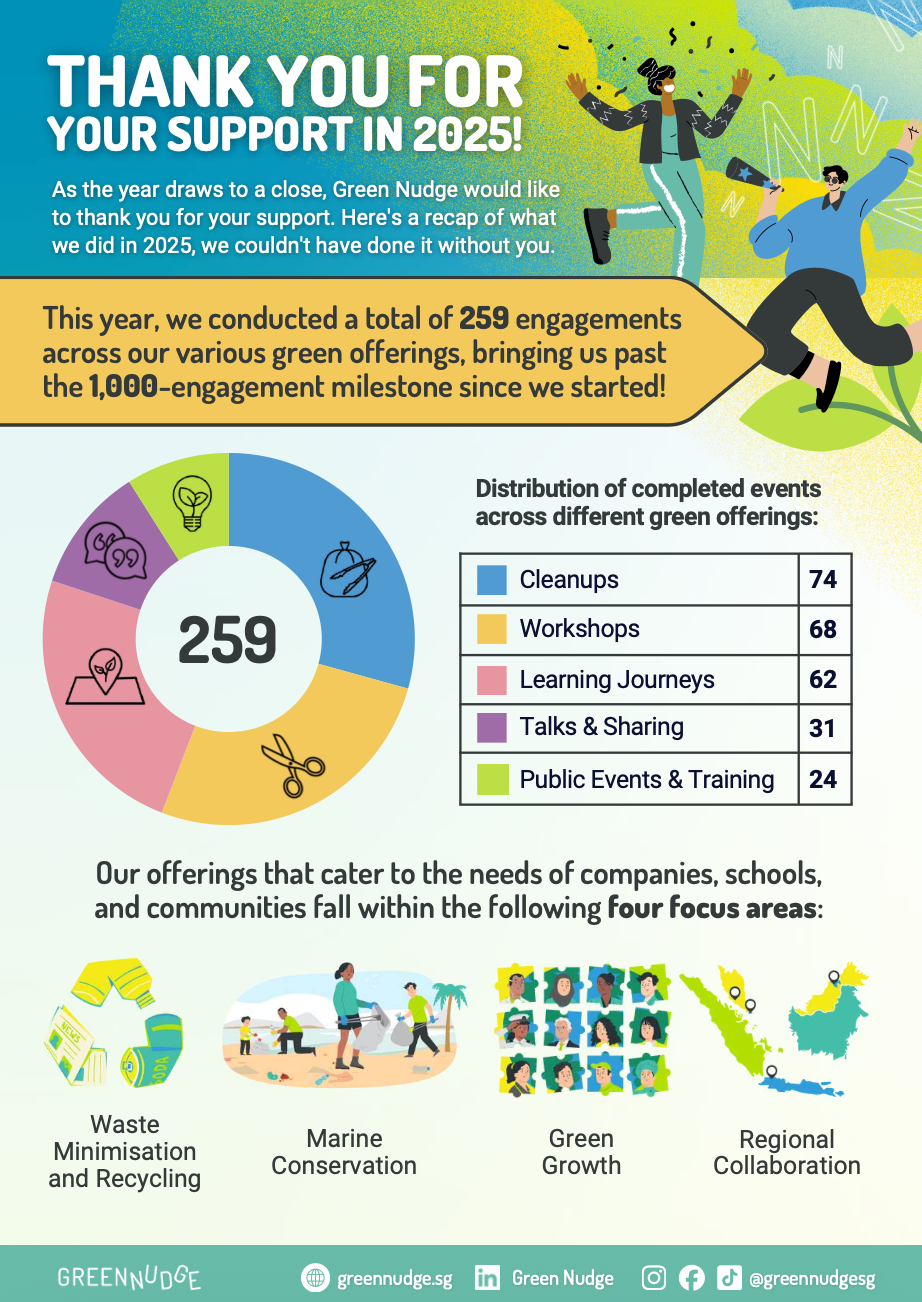
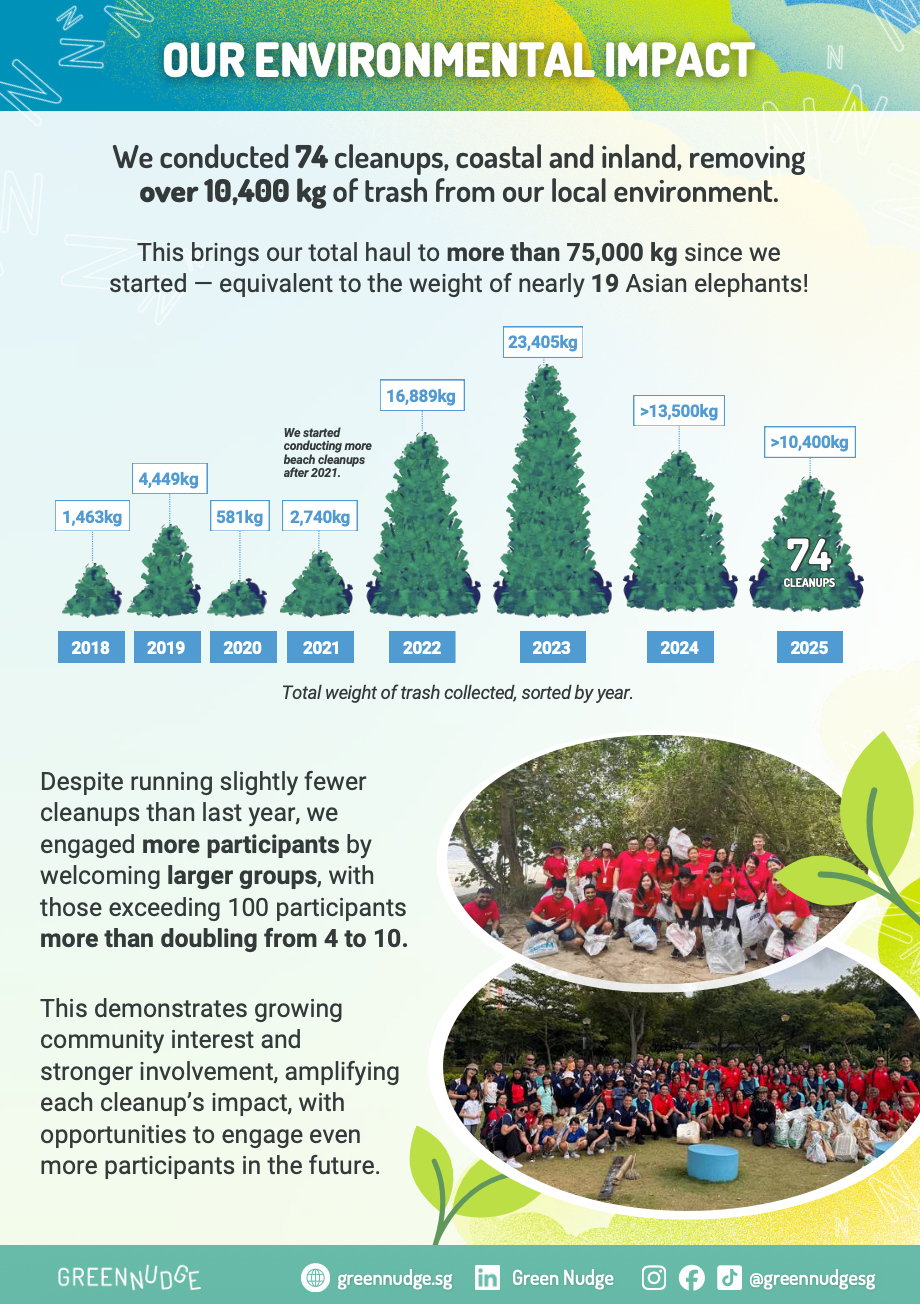
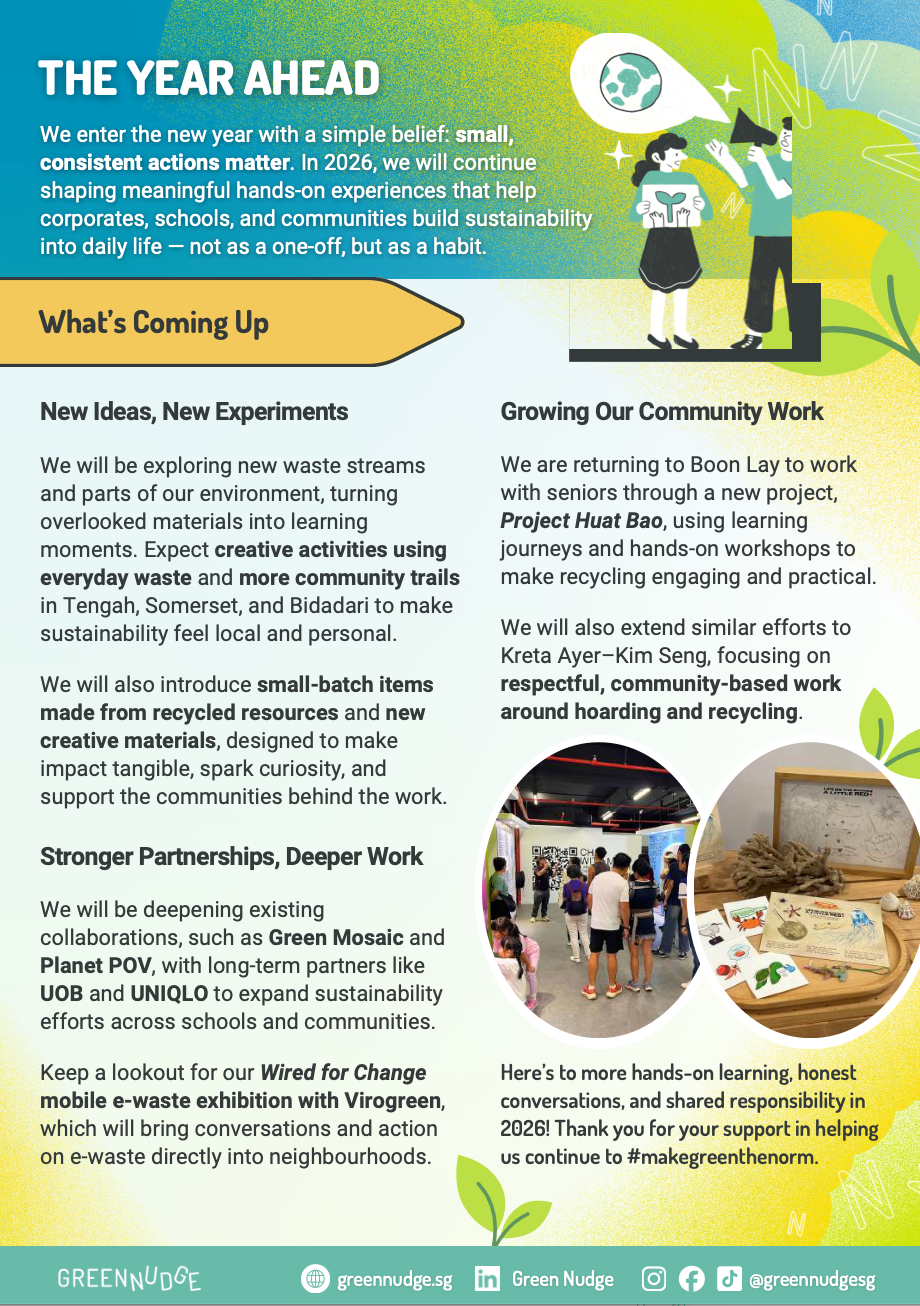
Excerpts from Green Nudge’s 2025 Impact Report
But ironically, in deciding upon this very social impact story to tell, Charmayne hesitated on the place of communication in an impact story.
Even amongst communication professionals, treating the domain as secondary has become internalised. And with many practitioners heavily reliant on external funding to sustain their work, it seems natural and inevitable that communication work gets deprioritised in favour of what key stakeholders ultimately need and want.
On what funders seek“I wasn't sure whether or not (communications) would fit the context of a social impact story. I'm not denying that it's important, but it's just that traditionally with these stories, we are showing them to potential funders.
How can talking about this aspect of our work help Green Nudge?
Because funders are practical people. Looking at this as compared to let's say (a programme), that's a bit more of a tangible impact that they can see as compared to this, which I consider a bit more soft power.”
– Charmayne Lee, Brand and Communications Lead
But over many years of reporting impact for external stakeholders, Li Seng has come to understand the value of owning the narrative.
Sometimes, that means bringing in an outside lens to see the work more clearly. This very social impact story is an example of that.
Having Common Ground as the trusted external practitioner to observe and reflect back what they see, reinforces the narrative that Green Nudge has been building, and that it matters.
“I recognise it's a blind spot that we cannot cover on our own. If we have this (social impact story) piece, it will be helpful to articulate this value to other funders.
I've been talking about how do we fund this work properly? But usually for grants engagements, the marketing of the work has always not been seen as a crucial piece of the work that needs to be paid via money. It’s always been seen as, oh don't worry, have a chat with us again when you need to.
But (communication work) often is resource intensive work for many smaller groups and companies.”
– Heng Li Seng, Founder
For most socially-oriented organisations, having a dedicated strategic communications professional is a luxury. Often, these professionals wear double, triple or even quadruple-hats, typically doing operational work, ground work and everything in between.
Therein lies the issue. In a workshop Common Ground co-facilitated with Research for Impact, we discovered that the number one polarity that impact practitioners felt great pain around was do the work :: reflect on the work — with the majority deprioritising reflection.
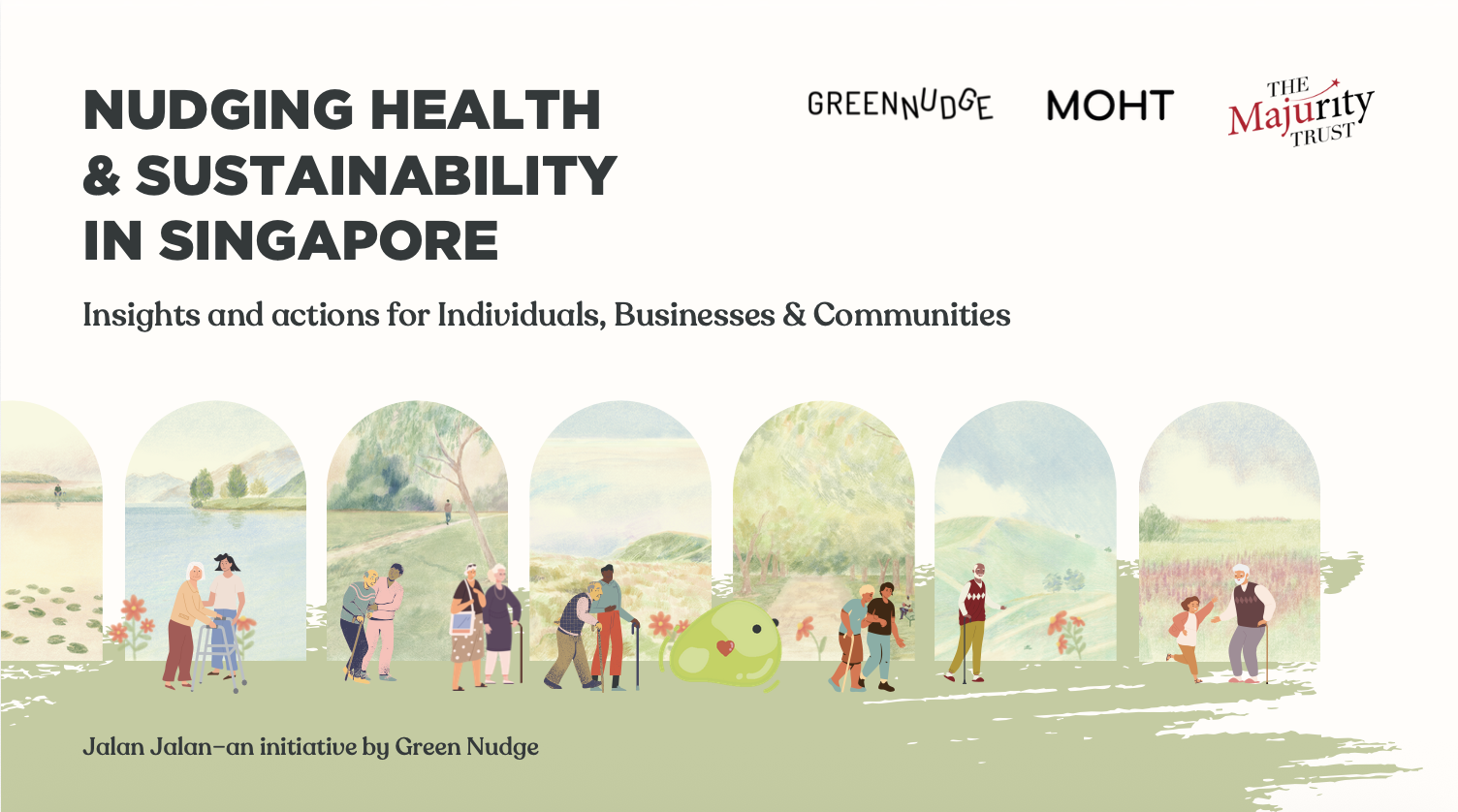
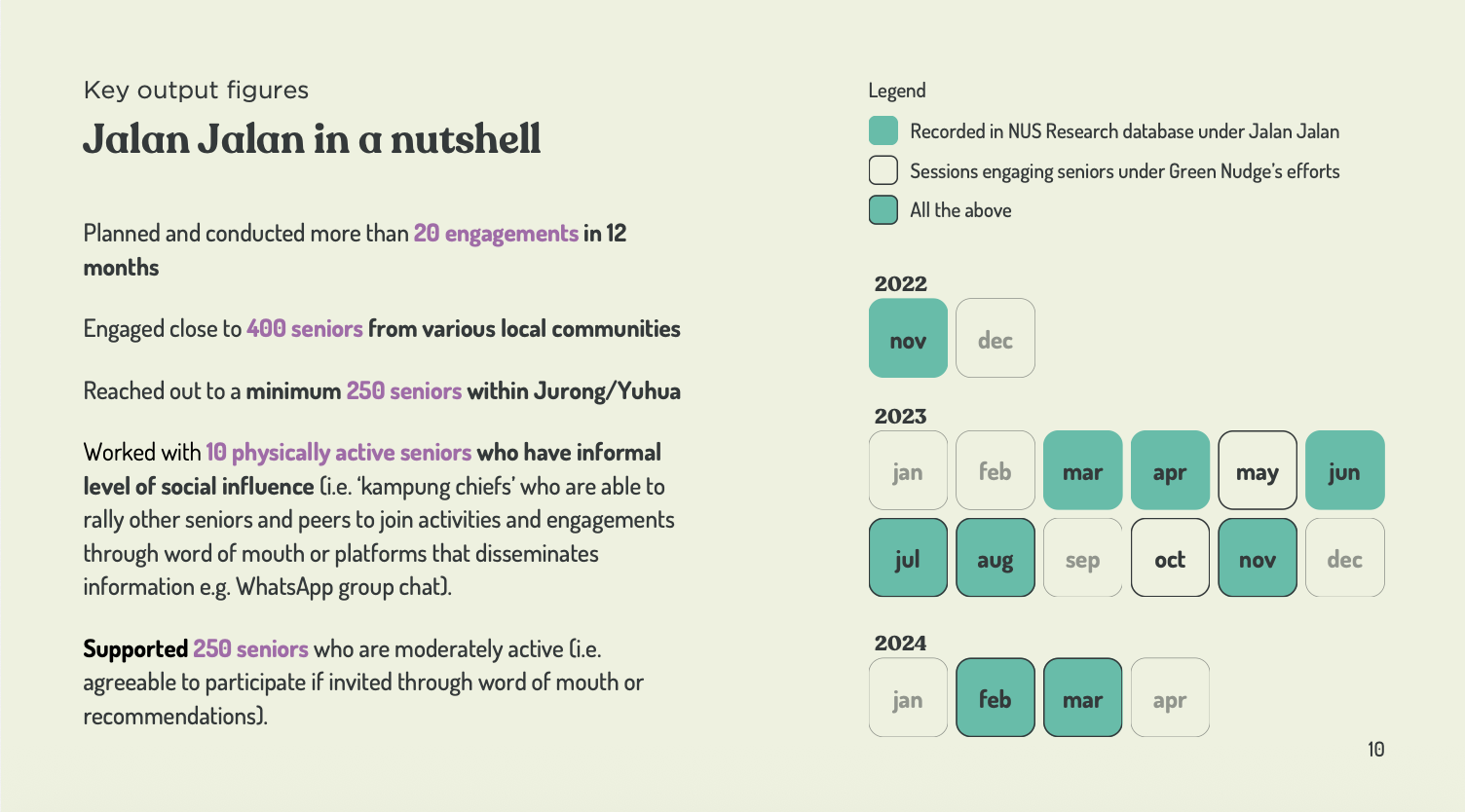
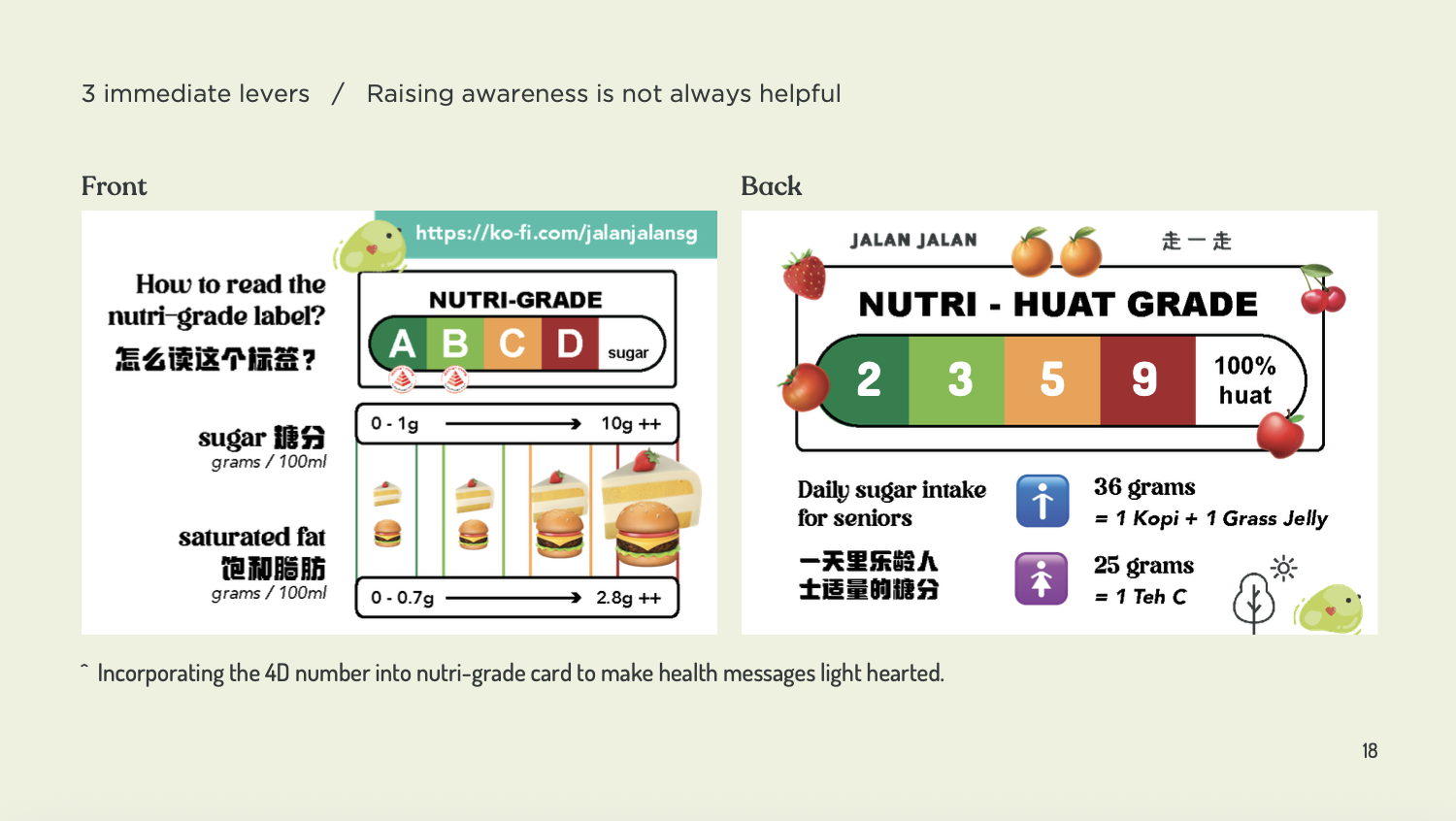
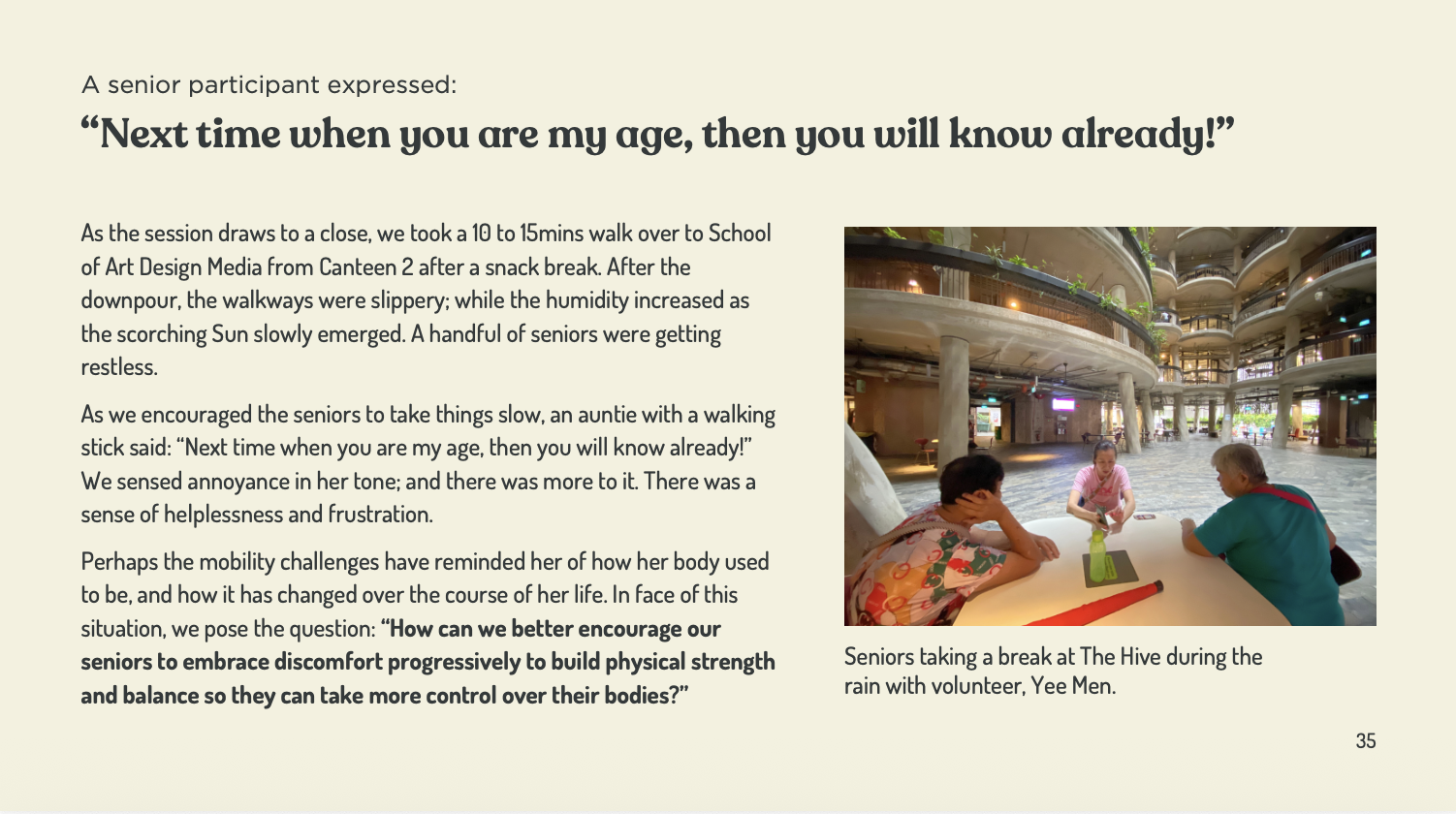
Excerpts from a recent Impact Report for the Jalan Jalan Programme with MOH Office for Healthcare Transformation (MOHT) and The Majurity Trust
When practitioners are consistently consumed by the “doing”, there is little bandwidth left to step back, reflect and craft a compelling narrative about the impact of that work, let alone to share it out strategically.
More detrimentally, practitioners reliant on grants and funding often find themselves trapped in a cycle of reporting in rigid structures determined by funders, with each likely seeking something different.
The result is a mishmash of documented impact that satisfies less discerning funders but rarely reflects the fullness of the work or the people behind it.

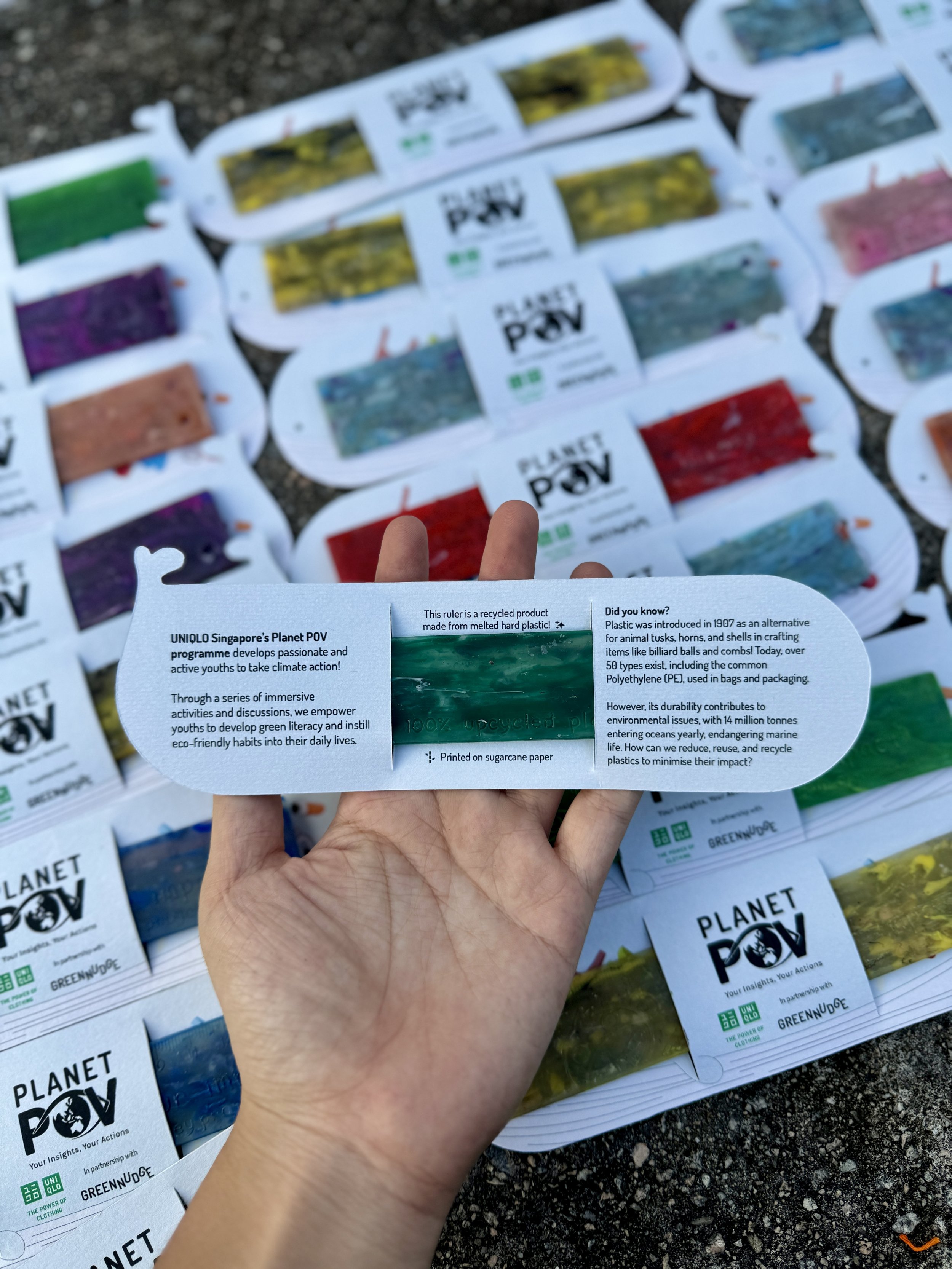
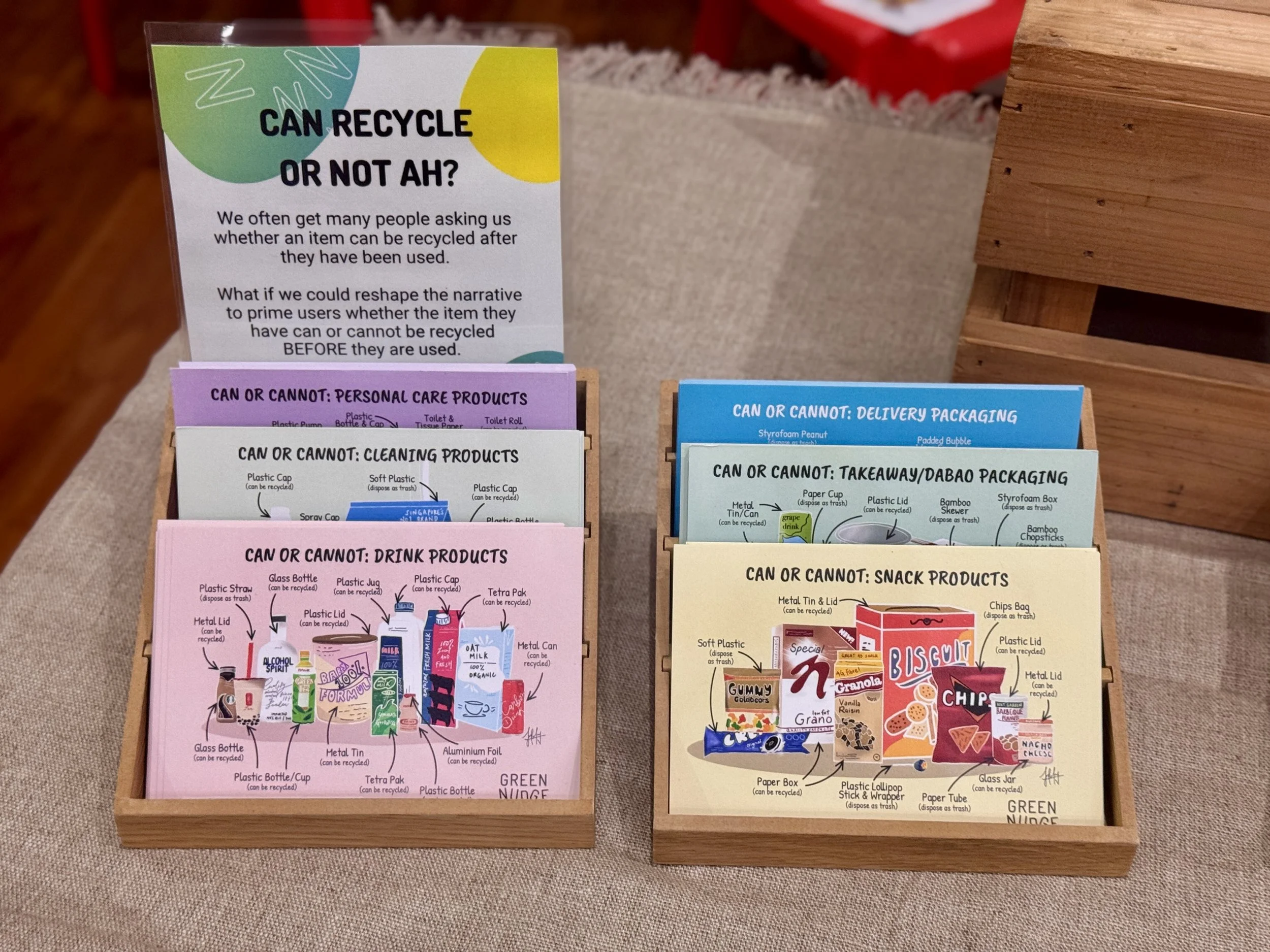
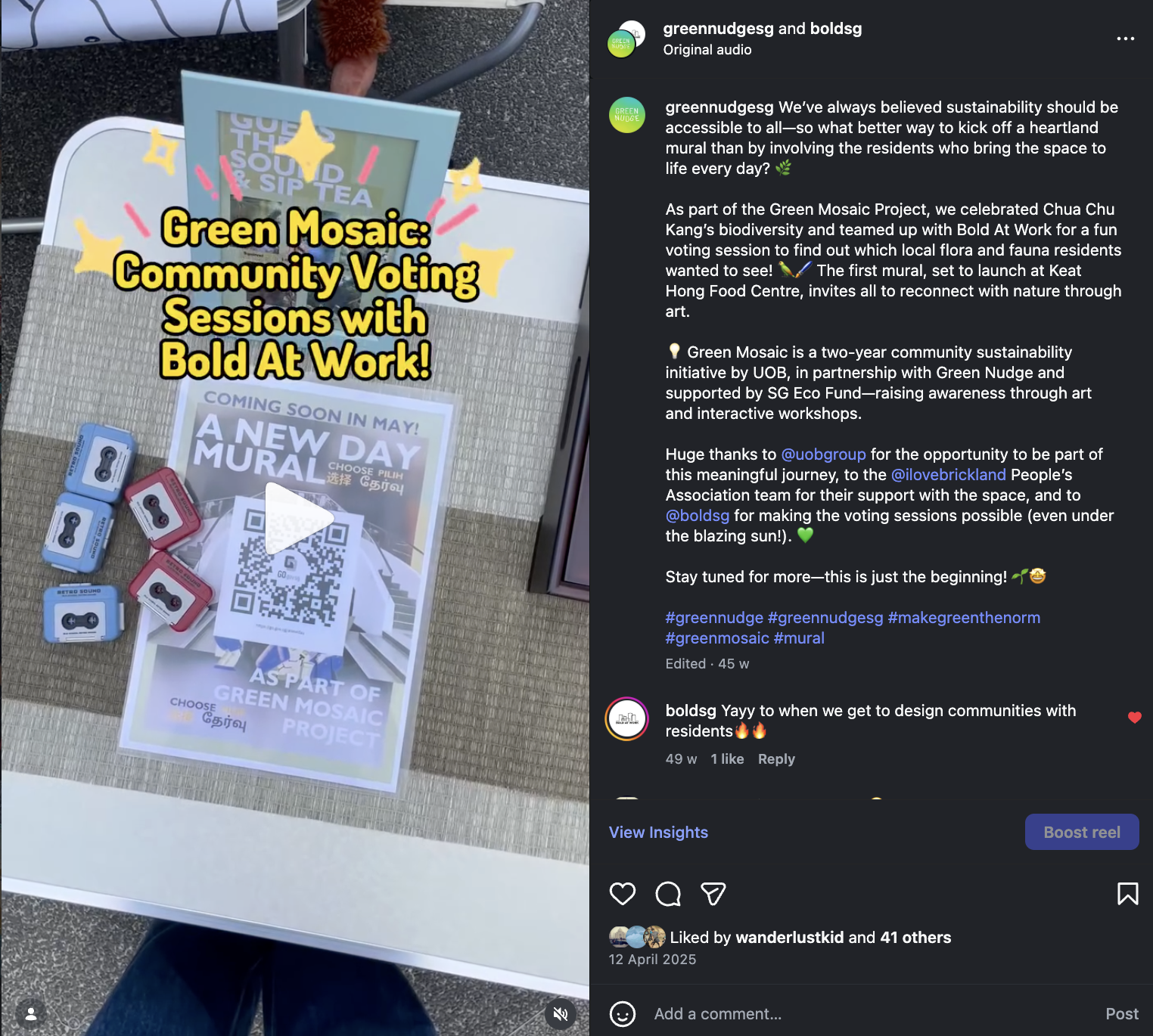
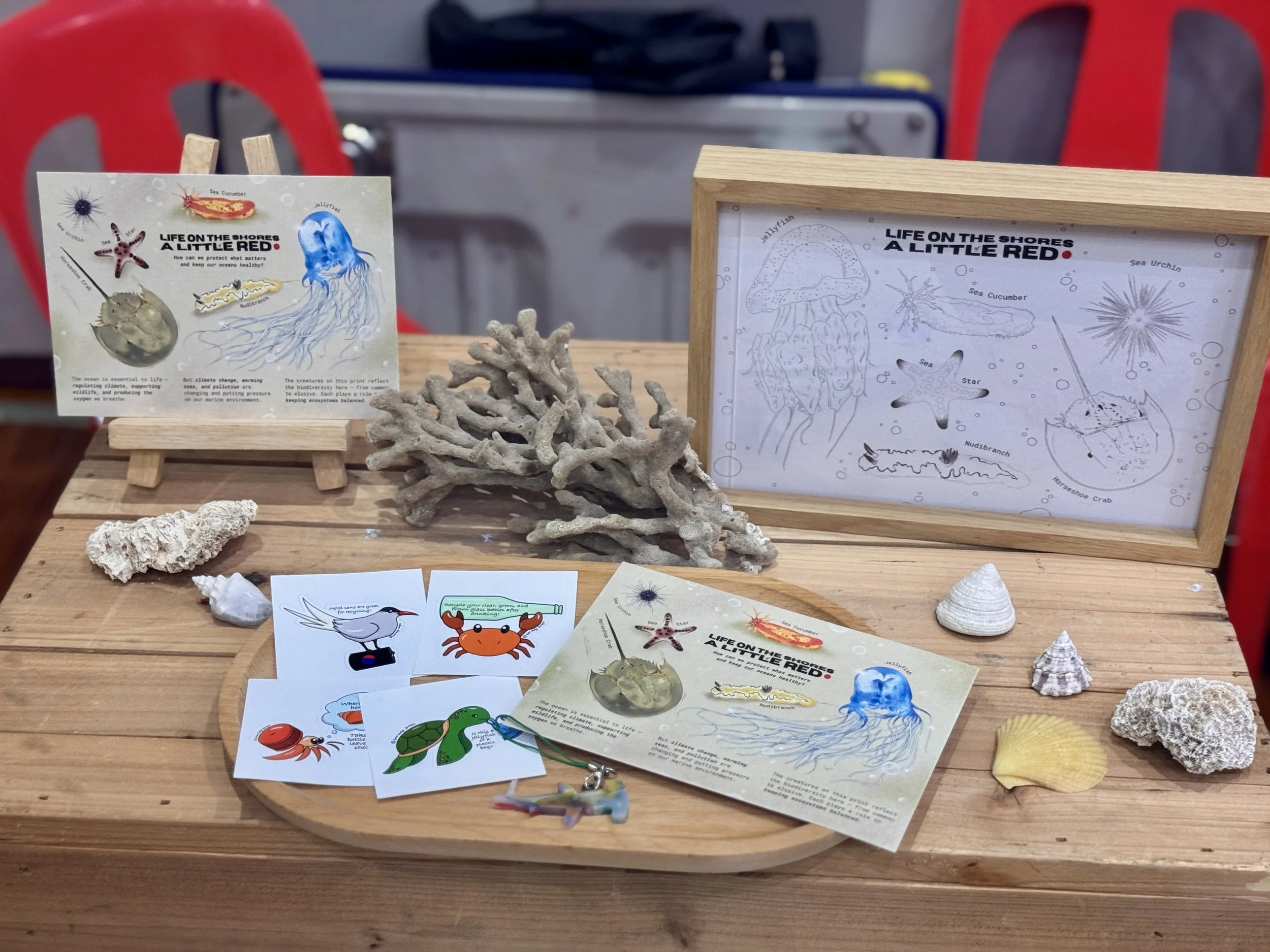
Non-exhaustive list of marketing and communication assets developed by Green Nudge
The gap between what is being asked for and what is being resourced is where most practitioners quietly struggle. But if impact communication is as valuable as the sector collectively agrees it is, then the resourcing of it deserves to be part of that same conversation.
“Right now, it is a challenge to price reporting in because maybe we are still not as established or we're not able to articulate in a way that reflects the value for money.”
– Heng Li Seng, Founder
“It's seen as a natural thing that you deliver. It's like, oh because you finished (the project) don’t you want to tell us what you’ve done? It's just assumed.”
– Charmayne Lee, Brand and Communications Lead
Online and offline, Green Nudge is committed to paving the way for what impact communication could look like.
It isn’t a nice-to-have or a funding obligation. It’s the medium through which impact work grows. The ability to scale and legitimise is tethered to the ability to communicate your impact because the more visible the work, the more it can matter.
On legitimacy of the work“When we were first approached by (client), I was intrigued. They saw us on social media and saw that we do a lot of community engagement work. So for an upcoming (project) they wanted to work with us as a community partner.
But they couldn't put the money towards that of a community partner. It was only when they considered us as a project manager that they could say that they actually can pay us project management fee on top and above what a project would cost.”
– Heng Li Seng, Founder
“Many of our partners share our desire to promote awareness of sustainability issues through social media, and we have received positive feedback that our perspectives often resonate with them in terms of tone, humour, and content.
As our partners also look for new ways to build momentum for our collaborations, this has meant that our engagements and communication practices have scaled up both quantitatively and qualitatively.
We are also finding new ways to support our partners in their outreach. This has translated into developing micro-sites, more collaborative social postings, and more thoughtful impact reports and responses to media interview requests. This reflects growth in our thought leadership and the maturity of our partnerships.”
– Jek Suen Lee, Partnerships & Growth lead
Fundamentally, communication isn’t separate from impact work.
It’s a part of it and part of humanising it.
on what would change if strategic impact communication is treated as core to the work:“If we can appreciate the amount of work required to communicate change, instead of just the outcome, we can also begin to better value and measure the overall impact created.
Direct and indirect impacts created should also be recognised as part of the work, because not everything has a direct cause-and-effect relationship.”
– HENG LI SENG, FOUNDER
ABOUT GREEN NUDGE
Founded by Heng Li Seng, Green Nudge is a B-Corp certified social enterprise supporting businesses and communities to achieve positive environmental impact.
Based on a firm belief that lasting impact can only be achieved through collective effort, Green Nudge actively “nudges” the community to adopt ground-up greener habits rather than push them to adopt a more challenging green lifestyle they may still be unfamiliar with and resistant to.
Green Nudge believes the general public is more likely to adopt long-term sustainable behaviour if they are eased in first through friendlier events like community clean-ups, workshops and learning journeys.
For the more serious green advocate or organisation seeking green advice, Green Nudge also offers training and consultancy services.
GET IN TOUCH WITH GREEN NUDGE